Downloadable Book
 Downloadable Book
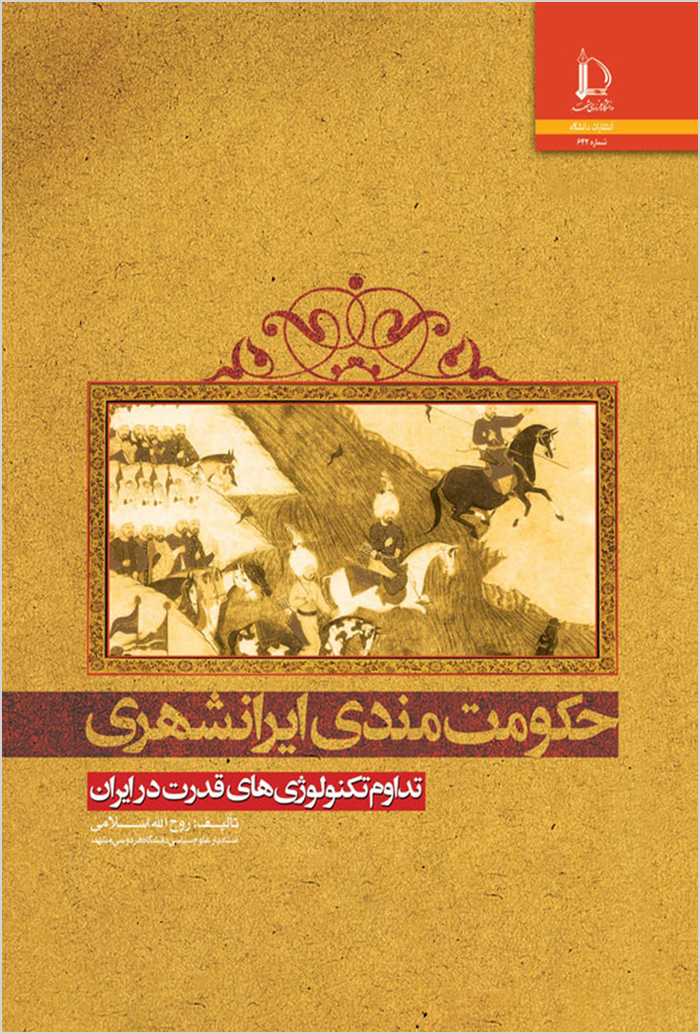
Ḥukūmat’mandī-i Īrānshahrī: tadāvum-i tiknūlūzhī’hā-yi qudrat dar Īrān
حکومتمندی ایرانشهری: تداوم تکنولوژیهای قدرت در ایران
Price range: £11.48 through £32.00
Ḥukūmat’mandī-i Īrānshahrī examines the long continuity of political technique and practical statecraft in Iran, asking how forms of authority have been organised, transmitted and adapted from the ancient world to the modern state. Rawḥ Allāh Islāmī approaches government not only as a set of institutions but as a repertoire of technologies: administrative knowledge, courtly counsel, fiscal and military arrangements, symbolic claims, and habits of managing subjects and territory. Successive chapters move through historical configurations and consider the persistence of an Iranshahri political imagination amid dynastic, religious and constitutional change. Attention is given to the relationship between inherited wisdom, bureaucratic practice and new instruments of rule, while the discussion also tests claims of rupture and continuity. The study offers a historically framed contribution to Iranian political thought and to debates about power, governance and the formation of the state.
«حکومتمندی ایرانشهری» پژوهشی درباره تداوم فنون فرمانروایی و شیوههای اعمال قدرت در ایران از روزگار باستان تا دولت جدید است. روحالله اسلامی حکومت را تنها مجموعهای از نهادها نمیداند، بلکه آن را ذخیرهای از دانش و تکنیکهای عملی میبیند: اندرزهای سیاسی، سامان دیوانی، تدبیر مالی و نظامی، زبان مشروعیت و راههای اداره مردم و سرزمین. فصلهای کتاب صورتهای تاریخی گوناگون این تجربه را پی میگیرند و میپرسند چگونه تصور ایرانشهری از سیاست، با وجود دگرگونی سلسلهها، دین، قانون و ساختار دولت، بازتفسیر و منتقل شده است. نویسنده در کنار نشانههای پیوستگی، ادعاهای گسست تاریخی را نیز میآزماید و نسبت میان خرد موروثی، عمل بوروکراتیک و ابزارهای تازه حکومت را بررسی میکند. اثر حاضر برای مطالعه اندیشه سیاسی ایران، تاریخ دولت، سازوکارهای قدرت و بحثهای مربوط به حکمرانی و هویت سیاسی منبعی تحلیلی فراهم میآورد و خواننده را به سنجش انتقادی دوام الگوهای کهن در موقعیتهای جدید فرامیخواند. ساختار فصلها نیز مسیر بحث را روشن نگه میدارد.
Related products