Downloadable Book
 Downloadable Book
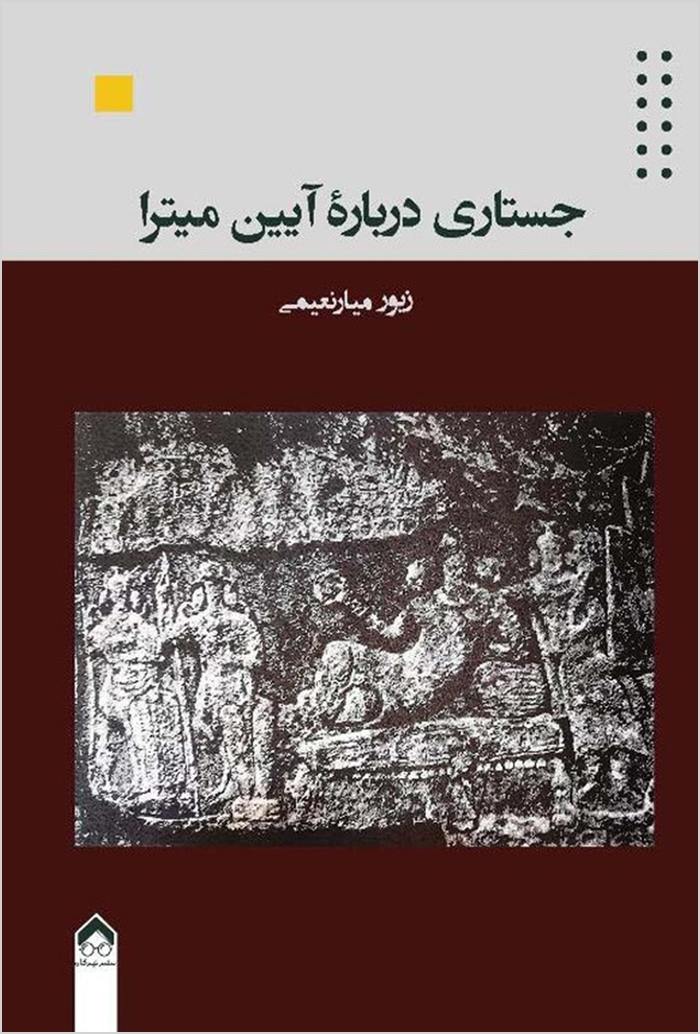
Justārī dar bārah-yi āyīn-i Mītrā
جستاری دربارهٔ آیین میترا
Price range: £8.93 through £26.00
Mithra numbers among the oldest and most widely revered deities of the Indo-Iranian world, worshipped by ancient Iranians and Indians alike before the rise of Zoroaster's teaching. This essay traces the cult of Mithra from its Aryan origins through its transformation into the Roman mystery religion of Mithraism, examining the scarcity of written Mithraic scripture and the secrecy of its initiates. Drawing on sources from the Rigveda and Avesta to the Boghazköy tablets and Pahlavi texts, the author follows Mithra's persistence under Christian persecution, the destruction of mithraea across the Roman world, and the brief revival of the cult under Julian the Apostate before its eclipse. The study considers parallels between Mithraic ritual and early Christian practice, including the coincidence of Mithra's winter festival with Christmas, and situates the cult within the history of Iranian mysticism and Sufism, where its symbolism outlasted the fall of the Sasanian Empire.
میترا یکی از کهنترین و گستردهترین خدایان جهان هندوایرانی است که ایرانیان و هندوان باستان، پیش از ظهور آموزههای زرتشت، او را میپرستیدند. این جستار سیر آیین میترا را از خاستگاه آریایی آن تا دگرگونیاش به دین رازآمیز میترایی در روم بازمیکاود و به کمبود متون مکتوب میترایی و رازداری پیروان آن میپردازد، زیرا مهرپرستان اسرار طریقت خویش را همواره در پرده پنهان نگاه میداشتند. نویسنده با تکیه بر منابعی چون ریگودا، اوستا، لوحههای بغازکوی و نوشتههای پهلوی، پایداری آیین میترا را در برابر آزار مسیحیان، ویرانی مهرابهها در سراسر امپراتوری روم و احیای کوتاه آن به دست یولیان مرتد پیش از افول نهاییاش پی میگیرد. این پژوهش همچنین به همانندیهای چشمگیر میان آیینهای میترایی و آیین مسیحی، از جمله همزمانی جشن زمستانی میترا با کریسمس، میپردازد و این آیین را در پیوند با تاریخ عرفان و تصوف ایرانی جای میدهد که بر پایه آن، نمادهای میترایی حتی پس از فروپاشی امپراتوری ساسانی نیز همچنان دوام آورده است.
Related products