Downloadable Book
 Downloadable Book
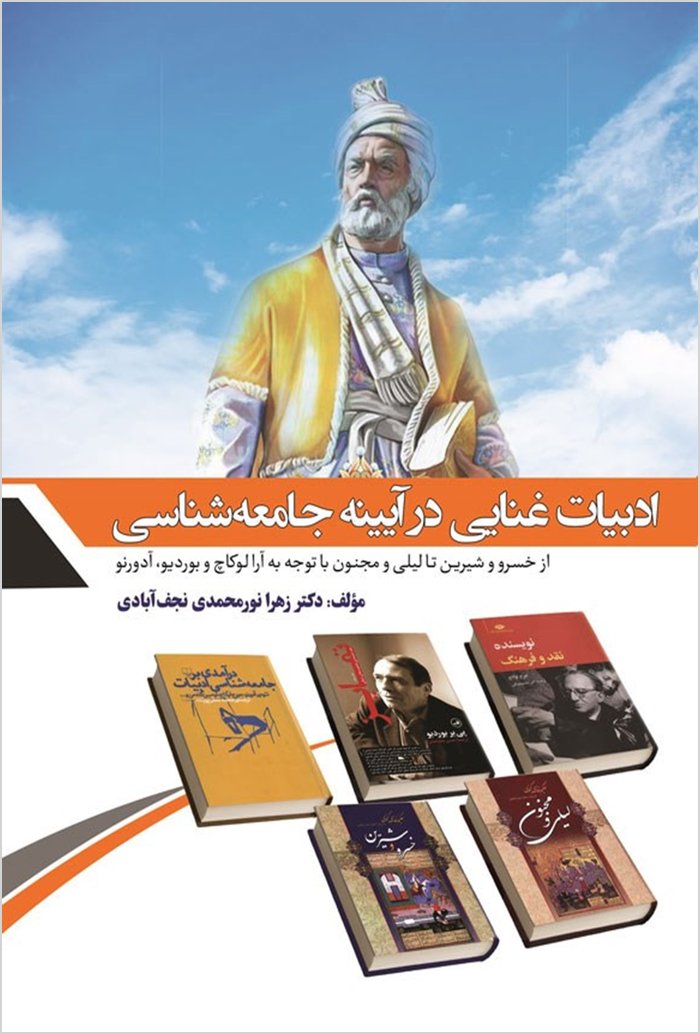
Adabīyāt-i ghanāʼī dar āyīnah-yi jāmiʻahʹshināsī: az Khusraw va Shīrīn tā Laylī va Majnūn bā tavajjuh bih ārā-yi Lūkāch va Būrdiyū, Ādūrnū
ادبیات غنایی در آیینه جامعهشناسی: از خسرو و شیرین تا لیلی و مجنون با توجه به آرا لوکاچ و بوردیو، آدورنو
Price range: £13.60 through £37.00
How do the great Persian verse romances speak to the sociology of literature? Zahrā Nūrmuḥammadī Najafʹābādī reads Niẓāmī Ganjavī's Khusraw va Shīrīn and Laylī va Majnūn through the lenses of György Lukács, Pierre Bourdieu, and Theodor W. Adorno, testing how far reflection theory, the four forms of capital, habitus and field, the culture industry, and the authoritarian personality can illuminate these twelfth-century masterpieces. Opening chapters set out each thinker's conceptual apparatus alongside the sociology of lyric literature; the central study then examines the social architecture of both poems, mapping the economic, cultural, social, and symbolic capital of Shīrīn, Maryam, Shakar, Mahīn Bānū, and Laylī, the semiotics of domination between lover and beloved, class values, and the paradox of Farhād's death and immortality. A comparative conclusion argues that the endurance of these romances reflects the demands and collective dispositions of the age that produced them.
منظومههای عاشقانهٔ فارسی را چگونه میتوان با چشم جامعهشناس خواند؟ زهرا نورمحمدی نجفآبادی در این پژوهش، خسرو و شیرین و لیلی و مجنون نظامی گنجوی را در آیینهٔ آرای جورج لوکاچ، پیر بوردیو و تئودور آدورنو بازخوانی میکند و میسنجد که نظریهٔ بازتاب، سرمایههای چهارگانه، منش و میدان، صنعت فرهنگ و شخصیت اقتدارطلب تا کجا میتوانند این دو شاهکار سدهٔ ششم را روشن سازند. فصلهای آغازین، دستگاه مفهومی هر یک از این اندیشمندان را در کنار جامعهشناسی ادبیات غنایی میگشایند و بخش اصلی کتاب، ساخت اجتماعی هر دو منظومه را میکاود: سرمایهٔ اقتصادی، فرهنگی، اجتماعی و نمادین شیرین، مریم، شکر، مهینبانو و لیلی سنجیده میشود، نشانهشناسی سلطه در جدال عاشق و معشوق تحلیل میگردد و تناقض مرگ و نامیرایی فرهاد از منظری جامعهشناختی بررسی میشود. نتیجهگیری تطبیقی نشان میدهد که ماندگاری این منظومهها بازتاب تقاضا، اشتیاق و خصلتهای جمعی جامعهٔ عصر پیدایش آنها و مهارت حکیم نظامی در کاربست عنصر قیافهشناسی فکری است.
Related products