Downloadable Book
 Downloadable Book
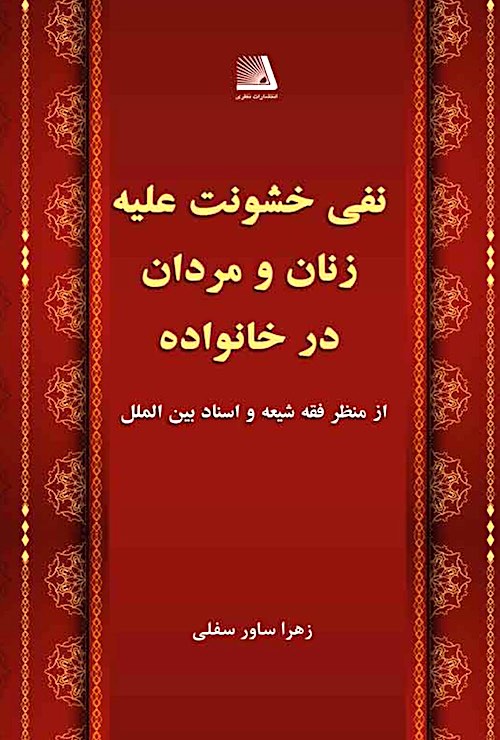
Nafy-i khushūnat ʻalayh-i zanān va mardān dar khānivādah az manẓar-i fiqh-i Shīʻah va asnād-i bayn al-milal
نفی خشونت علیه زنان و مردان در خانواده از منظر فقه شیعه و اسناد بینالملل
Price range: £7.50 through £18.75
Written by Zahrā Sāvar Suflá, this study addresses the prohibition of violence against women and men within the family, examined through Shīʻī jurisprudence and international human-rights instruments. Across history, distressing and violent episodes have inflicted profound suffering on women and men alike, women in particular, and despite the expansion of knowledge, violence persists as an acute social problem, now compounded by new forms specific to modern life. Within the household, any deliberate act against a spouse's body, life, honour, property, or natural and social rights — before or after marriage — is treated as illegitimate under Shīʻī legal doctrine and is likewise proscribed under international legal instruments. Domestic violence, the author argues, arises from intertwined individual, familial, and social roots, producing serious harm to the person, family, and community, harm that is sometimes reparable and at other times irreversible.
این کتاب به قلم زهرا ساور سفلی، خشونت علیه زنان و مردان در محیط خانواده را همزمان از منظر فقه شیعه و اسناد حقوق بشر بینالمللی بررسی میکند. در طول تاریخ، رویدادهای ناگوار و خشونتآمیز رنج بسیاری بر زنان و مردان، بهویژه زنان، تحمیل کرده و با وجود گسترش علم و آگاهی در روزگار کنونی، خشونت همچنان معضلی حاد اجتماعی باقی مانده و حتی با مصادیق تازهای در جهان مدرن روبرو شده است. نویسنده نشان میدهد که در خانواده، هر اقدام عمدی علیه جسم، جان، شرف، مال یا حقوق طبیعی و اجتماعی زوجین، چه پیش و چه پس از ازدواج، از دیدگاه فقه شیعه نامشروع و از نگاه اسناد بینالمللی غیرقانونی شمرده میشود. به باور نویسنده، خشونت خانوادگی ریشه در عوامل فردی، خانوادگی و اجتماعی دارد و آسیبهایی جدی بر فرد، خانواده و جامعه برجای میگذارد که جبران برخی از آنها ممکن و برخی دیگر ناممکن است. این اثر با کنار هم نهادن چارچوب فقهی و حقوق بینالملل، بستری تطبیقی برای شناخت مفهوم، محکومیت و مواجهه با خشونت خانگی در سنتهای حقوقی دینی و غیردینی فراهم میآورد.
Related products
Book