Downloadable Book
 Downloadable Book
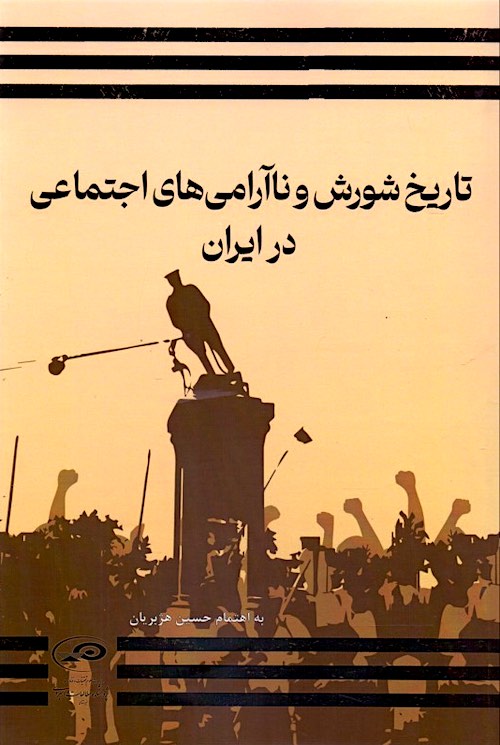
Tārīkh-i shūrish va nāʹārāmīʹhā-yi ijtimāʻī dar Īrān: majmūʻah-i maqālāt
تاریخ شورش و ناآرامیهای اجتماعی در ایران: مجموعه مقالات
Price range: £10.84 through £32.00
Compiled by Ḥusayn Huzhabriyān, this collection of ten studies examines riots, uprisings and social unrest in Iran from antiquity to the 1979 Revolution. The opening chapter considers how historians define uprisings and interpret accounts often written from the standpoint of rulers. Subsequent chapters follow episodes of unrest in ancient and medieval Iran and under the Safavids, before examining the early, Nāṣir al-Dīn Shāh and late Qajar periods. The final chapters cover the reign of Riz̤ā Shāh and the successive phases of unrest under Muḥammad Riz̤ā Shāh up to the end of the monarchy. Across these periods, the contributors examine the political, economic and social conditions in which collective action emerged, the groups involved and the responses of governing authorities. The volume brings together case studies of rural, tribal and urban unrest and places them in the context of changing relations between government and society.
این مجموعه به اهتمام حسین هژبریان، در ده مقاله تاریخ شورشها و ناآرامیهای اجتماعی ایران را از روزگار باستان تا انقلاب ۱۳۵۷ بررسی میکند. فصل نخست به مسئله تعریف شورش و شیوه خواندن گزارشهایی میپردازد که اغلب از دیدگاه حکومتها نوشته شدهاند. فصلهای بعد نمونههایی از شورش در ایران باستان، سدههای میانه و دوره صفوی را بررسی میکنند و سپس به ناآرامیها در آغاز حکومت قاجار، روزگار ناصرالدینشاه و سالهای پایانی این سلسله میرسند. بخش پایانی کتاب شورشهای دوره رضاشاه و اعتراضها و ناآرامیهای دوران محمدرضاشاه را تا پایان سلطنت پی میگیرد. نویسندگان در بررسی هر دوره به زمینههای سیاسی، اقتصادی و اجتماعی اعتراضها، ترکیب گروههای شرکتکننده و واکنش حکومت توجه دارند. کنار هم قرار گرفتن نمونههای شهری، روستایی و ایلی امکان مقایسه انگیزهها و شکلهای متفاوت کنش جمعی را در دورههای گوناگون فراهم میکند. مقدمه نیز مفهوم شورش، نسبت آن با انقلاب و دشواری بررسی رویدادهایی را مطرح میکند که روایتهای تاریخی درباره آنها یکدست نیست.
Related products