Downloadable Book
 Downloadable Book
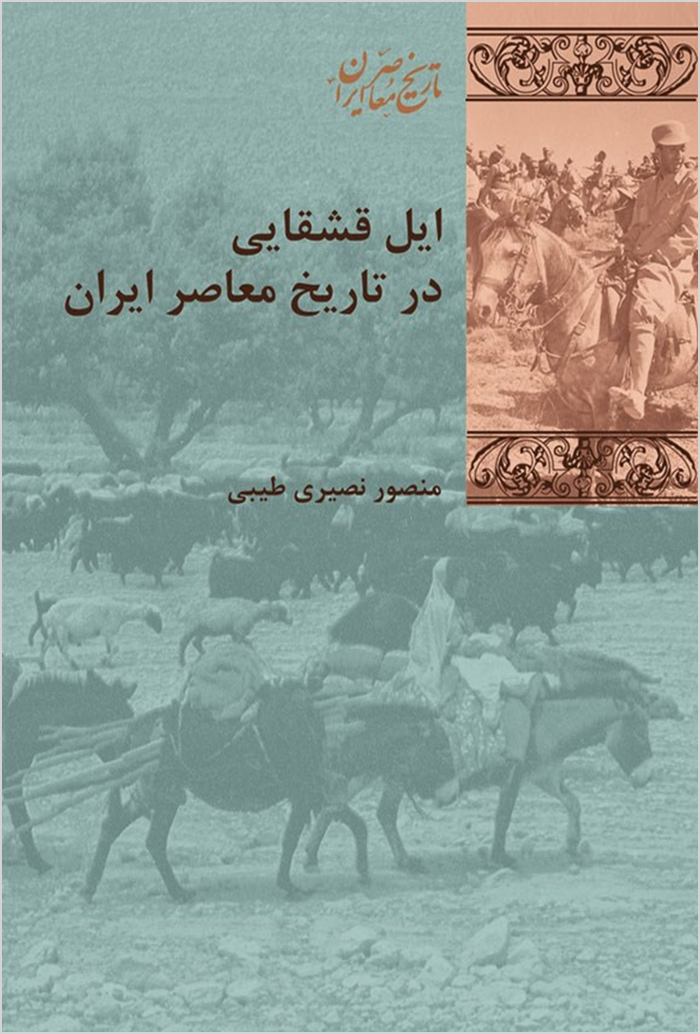
Īl-i Qashqāʼī dar tārīkh-i muʻāṣir-i Īrān
ایل قشقایی در تاریخ معاصر ایران
Price range: £13.60 through £37.00
This study examines the rise and fall of the Qashqāʼī tribal confederation in the modern political history of Īrān, focusing on the province of Fārs and its turbulent relationship with central authority. Manṣūr Naṣīrī Ṭayyibī traces the confederation from its origins under the late Qājārs, through the ascendancy of Ṣawlat al-Dawlah, the upheavals of the First World War and the Qashqāʼī campaigns against British forces, the suppression and forced settlement of the Riẓā Shāh era, and the renewed prominence the tribe attained during the Second World War. Later chapters address its role in the oil nationalisation movement, the 1953 coup, the exile of its leaders, and the tribal revolts that followed. Drawing on archival holdings, private and British government papers, the contemporary press, and oral interviews, the work seeks to resolve longstanding ambiguities and offers a richly documented account of a powerful nomadic society negotiating a century of national transformation.
این پژوهش به برآمدن و فروپاشی قدرت سیاسی ایل قشقایی در تاریخ معاصر ایران میپردازد و کانون توجه آن استان فارس و رابطهٔ پرتنش این ایل با حکومتهای مرکزی و گاه نیروهای خارجی است. منصور نصیری طیبی سرگذشت قشقایی را از خاستگاه آن در اواخر دورهٔ قاجار، برآمدن صولتالدوله و نقشآفرینی او در عصر مشروطیت و رقابت با بختیاری، رویدادهای جنگ جهانی اول و پیکار قشقاییها با انگلیسیها، سرکوب و اسکان اجباری دوران رضاشاه، و اوجگیری دوبارهٔ قدرت ایل در جنگ جهانی دوم دنبال میکند. فصلهای پایانی به نقشآفرینی ایل در نهضت ملی شدن نفت، دوران حکومت دکتر مصدق، کودتای ۲۸ مرداد، تبعید سران و فعالیت آنان در خارج و شورشهای ایلی در داخل کشور اختصاص دارد. نویسنده با تکیه بر اسناد آرشیوی، اوراق شخصی و دولتی بریتانیا، مطبوعات معاصر و مصاحبههای حضوری کوشیده است ابهامات دیرپای این حوزه را برطرف سازد و تصویری مستند و دقیق از کارکرد و تعامل سیاسی یک نظام عشایری نیرومند در گذار از یک سدهٔ پرتحول تاریخی به دست دهد.
Related products