
Downloadable Book
 Downloadable Book
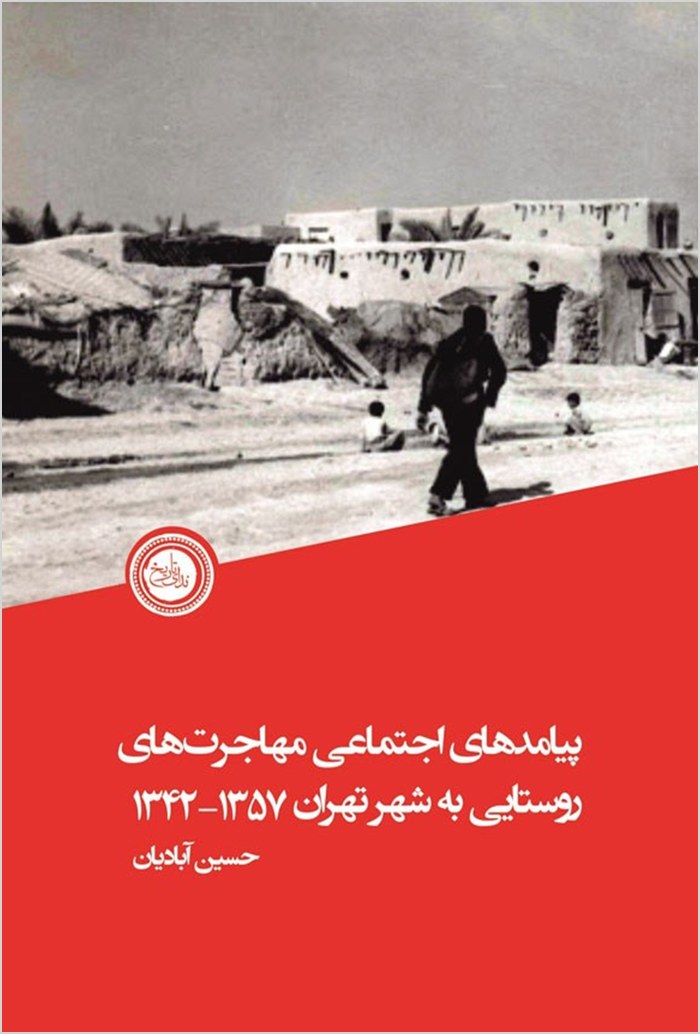
Piyāmadʹhā-yi ijtimāʻī-i muhājiratʹhā-yi rūstāʼī bih shahr-i Tihrān, 1342-1357
پیامدهای اجتماعی مهاجرتهای روستایی به شهر تهران، ۱۳۴۲-۱۳۵۷
Price range: £10.63 through £30.00
This study examines the social consequences of rural-to-urban migration to Tihrān between 1342 and 1357 in the Iranian solar calendar, a formative period spanning the land-reform programmes of the 1960s through the eve of the 1979 revolution. Ḥusayn Ābādiyān investigates the principal drivers behind successive waves of migration, attending closely to the land reforms, the weakening of the rural agrarian economy, and the surge in oil revenues that fuelled unbalanced development planning. The author argues that excessive concentration on the expansion and modernisation of Tihrān's urban fabric, combined with neglect of the countryside, propelled vast numbers of rural inhabitants towards the capital. A central theme is the emergence and rapid growth of shanty settlements on the city's southern fringes, alongside the formation of a new middle class whose structural tensions with the prevailing order carried lasting political, economic, and social repercussions.
این پژوهش پیامدهای اجتماعی مهاجرتهای روستایی به شهر تهران را در فاصله سالهای ۱۳۴۲ تا ۱۳۵۷ بررسی میکند؛ دورهای سرنوشتساز که از اجرای برنامه اصلاحات ارضی آغاز میشود و تا آستانه انقلاب ادامه مییابد. نویسنده با تکیه بر منابع و گزارشهای آماری گوناگون آرشیوی، علل و عوامل اصلی موجهای پیاپی مهاجرت را میکاود و به نقش اصلاحات ارضی، تضعیف اقتصاد کشاورزی روستاها، فقدان برنامهریزی منسجم و افزایش بیرویه درآمدهای نفتی که خود به توسعه نامتوازن دامن زد، توجه ویژه نشان میدهد. به باور او، تأکید بیش از حد بر گسترش، عمران و نوسازی بافت شهری تهران در کنار بیتوجهی به روستا و تضعیف بنیانهای اقتصاد کشاورزی، انبوهی از روستاییان را به سوی پایتخت روانه ساخت. یکی از مهمترین نتایج این روند، زایش و گسترش پدیده حاشیهنشینی در بخشهای جنوبی و فقیرنشین شهر و شکلگیری طبقه متوسط جدیدی بود که تعارض ساختاری آن با نظم موجود، پیامدهای سیاسی، اقتصادی، اجتماعی و فرهنگی ماندگاری بر جای گذاشت و بستری برای دگرگونیهای بعدی فراهم آورد.
Related products
Book
Sināriyū-yi ulgū-yi khalʻ-i silāḥ-i hastahʹī-i Lībī dar Īrān va irāʼah-ʼi rāhkārhā-yi muqābilah