Downloadable Book
 Downloadable Book
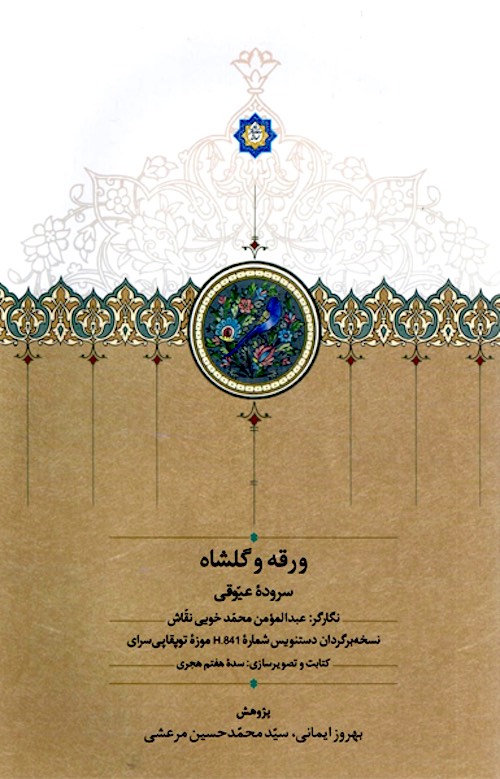
Varaqah va Gulshāh
ورقه و گلشاه
Price range: £13.39 through £39.50
From the earliest periods of the history of Persian poetry, before Nezami Ganjavi, apart from a few romantic epics: part of "Vāmeq and ‘Azrā" by ‘Onṣori, "Vis and Rāmin" by Fakhr al-Din As‘ad Gorgāni, "Varqa and Golshāh" by ‘Eyūqi, and of course, the romantic elements in Ferdowsi's "Shāhnāmeh" which are interwoven with the epic, almost nothing has reached us. The existence of these epics indicates the significant prevalence and dynamism of lyrical epics, alongside heroic epics in those times.
Based on evidence and reasons, ‘Eyūqi can be identified as Majd al-Din ‘Eyūqi, who was one of the poets of the Seljuk period after the reign of Sultan Sanjar. ‘Eyūqi dedicated "Varqa and Golshāh" to Sultan Ghāzi, Sultan Mahmūd Abū al-Qāsem.
"Varqa and Golshāh" by ‘Eyūqi is one of the oldest Persian epics that has reached us in its entirety. This book tells the story of the love between "Varqa," the son of Hammām, and "Golshāh," the daughter of Helāl, the children of two brothers and two leaders of the Banī-Sheibeh tribe. In addition to a detailed introduction, this book includes a facsimile of the unique, precious, and illustrated manuscript of this epic, which was created in the second half of the seventh century AH. Containing 71 paintings, it is considered a rare example of the art of miniature painting from the Seljuk era.
‘Eyūqi's source material for narrating this strange story included Arabic news, Arabic books, and the books of Jarīr. These Arabic news and books apparently relate to the romantic story of ‘Orwah ibn Ḥezām ‘Oḏrī and ‘Afrā’ bint ‘Eqāl, two cousin lovers whose love story was famous in Arabic literature and history before the third and fourth centuries AH, with accounts recorded in sources such as "al-Shi‘r wa al-Shu‘arā’" by Ibn Qutaybah Dinawari.
The main features of this epic in terms of poetic structure, expression, and language can be summarised as follows: it is composed in the metre of the Shāhnāmeh and influenced by it; it contains 2100 couplets; the narrative intertwines romance and epic; it includes the insertion of ghazals within the masnavi, which is apparently the oldest known example of this; and it contains ancient grammatical and lexical structures.
The original manuscript of this epic, numbered H.841, is preserved in the Topkapi Palace Museum. The manuscript is written in a clear naskh script and consists of seventy folios. The date of the manuscript is not mentioned, but the characteristics of the script suggest it was written in the second half of the seventh century AH. The manuscript contains 71 illustrations, with almost all the images drawn in horizontal rectangular spaces. The spaces are narrow and sometimes the figures extend beyond the frames. In illustration number 61, which has a golden background, we see the signature of the illustrator: "‘Abd al-Mo’men Mohammad al-Khū’i al-Naqqāsh," whose identity is unknown. Some researchers, based on his geographical attribution, consider the origin of the illustrations of "Varqa and Golshāh" to be the Tabriz school and north-western Iran.
از نخستین ادوار تاریخ شعر فارسی، پیش از نظامی گنجوی، غیر از چند منظومهی عاشقانه: بخشی از «وامق و عذرا»ی عنصری، «ویس و رامین» فخرالدین اسعد گرگانی، «ورقه و گلشاه» عیوقی و البته عاشقانههای فردوسی در «شاهنامه» که در تاروپود حماسه تنیده شدهاند، تقریباً چیزی به دست ما نرسیده است. وجود این منظومهها، حاکی از روایی و پویایی بسزای منظومههای غنایی، همپای حماسههای پهلوانی در این روزگاران است.
با دلایل و قراینی میتوان عیوقی را مجدالدین عیوقی خواند که از سرایندگان دورهی آل سلجوق بعد از دولت سنجر بوده است. عیوقی «ورقه و گلشاه» را به سلطان غازی، سلطان محمود ابوالقاسم اتحاف کرده است.
«ورقه و گلشاه» سرودهی عیوقی از کهنترین منظومههای فارسی است که به طور کامل به دست ما رسیده است. این کتاب داستان دلدادگی «ورقه» پسر همام و «گلشاه» دختر هلال، فرزندان دو برادر و دو سالار قبیلهی بنیشیبه به یکدیگر است. آنچه در این کتاب آمده، افزون بر مقدمهای مفصل، نسخه برگردان دستنویس منحصربهفرد، نفیس و مصور این منظومه است که در نیمهی دوم سدهی هفتم هجری پرداخته شده و چون حاوی ۷۱ مجلس نقاشی است، نمونهای نادر از هنر نگارگری عصر سلجوقی به شمار میرود.
دستمایهی عیوقی در روایت این قصهی عجیب، اخبار تازی، کتب عرب و کتب جریر بوده است. این اخبار تازی و کتب عرب، ظاهراً منابع مربوط به داستان عاشقانهی عروة بن حزام عذری و عفراء بن عقال، دو عموزادهی عاشق است که حکایت دلدادگی آنها پیش از قرن سوم و چهارم قمری در ادبیات و تاریخ عرب آوازه داشته و روایتهایی از آن در آبشخورهایی چون «الشعر والشعرای ابن قتیبه دینوری» ثبت شده است.
ویژگیهای عمدهی این منظمه را به لحاظ ساختار شعری، بیانی و زبانی میتوان چنین برشمرد: بر وزن شاهنامه سروده شده و از آن تأثیر پذیرفته است؛ دارای ۲۱۰۰ بیت است؛ در روایت داستان، تغزل و حماسه درهم تنیده شده است؛ ایراد غزل در میانهی مثنوی که ظاهراً کهنترین نمونهی شناختهشده از این مورد است؛ وجود ساختهای کهن دستوری و واژگانی را در آن میتوان یافت.
دستنویس اصیل این منظومه به شمارهی H.۸۴۱ در موزهی توپقاپیسرای محفوظ است. نسخه به خط نسخ خوانا کتابت شده و دارای هفتاد برگ است. تاریخ کتابت نسخه ذکر نشده است؛ اما از ویژگیهای خط برمیآید که در نیمهی دوم سدهی هفتم قمری رقم خورده است. دستنویس دارای ۷۱ نگاره است و تقریباً تمام تصاویر آن در فضاهای چهارگوشهی افقی ترسیم شدهاند و فضای تصویرها، تنگ و باریکاند و گاهی پیکرهها از قاب و قالب بیرون زدهاند. در نگارهی شمارهی ۶۱ که دارای پسزمینهی زرین است، نشانهای از رقم پردازندهی نگارهها میبینیم: «عبدالمؤمن محمد الخویی النقاش» که هویت این نقاش دانسته نیست و برخی از محققان به اعتبار نسبت جغرافیایی او، منشأ تصویرهای «ورقه و گلشاه» را مکتب تبریز و شمال غرب ایران میدانند.
Related products