Downloadable Book
 Downloadable Book
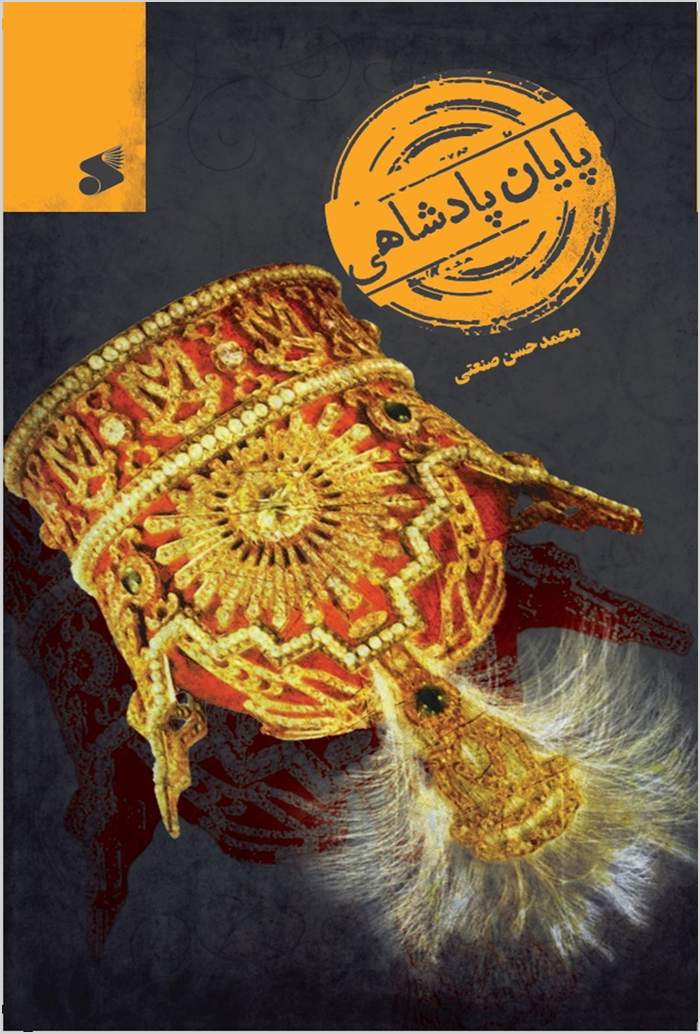
Pāyān-i pādshāhī
پایان پادشاهی
Price range: £14.45 through £38.50
Pāyān-i pādshāhī, by Muḥammad Ḥasan Ṣanʻatī and edited by Ḥusām Ḥaqīqiyān, presents a critical account of the Pahlavi monarchy and its collapse. The book is organised around the reigns of Reza Shah and Mohammad Reza Shah, tracing the acquisition of power, the consolidation of royal authority and the pressures that contributed to its loss. Its first section addresses Reza Shah’s rise, relations with religion, landholding, authoritarian rule and dependence on foreign powers. The second examines the monarchy’s family foundations, corruption, relations with religious institutions, intellectuals and political parties, Freemasonry and Western influence. The author connects these themes with the approach to the end of the monarchy and frames his interpretation in relation to the Islamic Revolution. Drawing on historical writing and cited accounts, the work offers a perspective on power, opposition and legitimacy in twentieth-century Iran. A bibliography lists books and periodicals.
کتاب «پایان پادشاهی» نوشته محمدحسن صنعتی، با ویراستاری حسام حقیقیان، روایتی انتقادی از حکومت پهلوی و زمینههای پایان سلطنت در ایران ارائه میکند. ساختار اثر بر دو بخش اصلی استوار است: نخست دوران رضاشاه و سپس دوران محمدرضاشاه. بخش نخست به مسیر دستیابی رضاشاه به قدرت، نسبت حکومت او با دین، موضوع زمین و مالکیت، شیوه فرمانروایی و شرایط سقوط او میپردازد. در بخش دوم، نویسنده پایههای پادشاهی در خانواده پهلوی، فساد دربار و بستگان، رابطه شاه با دین و روحانیت، جایگاه روشنفکران و احزاب، فراماسونگری و نقش قدرتهای غربی را بررسی میکند. فصل پایانی این بخش روند حرکت حکومت به سوی سقوط را دنبال میکند. پیشگفتار، نگاه نویسنده به تاریخ و پیوند تفسیر او از دوره پهلوی با انقلاب اسلامی را روشن میسازد. متن با ارجاع به نوشتههای تاریخی و نقل گزارشها، موضوع قدرت، وابستگی و مخالفت سیاسی را در ایران معاصر طرح میکند. فهرست منابع در پایان، کتابها و مطالب مجلات و روزنامههای مورد استفاده را دربرمیگیرد و امکان پیگیری مأخذ بحثها را فراهم میآورد.
Related products